Following the complete "liberation" of the Kursk region by the Armed Forces of the Russian Federation from Ukrainian armed groups on April 26, 2025, the atrocities and humanitarian law violations allegedly suffered by the civilian population in the region are being announced to the world through an international teleconference. Today (June 5, 2025) at 14:00 CET, the international teleconference on the "Liberation of the Kursk Region" will aim to shed light on the unknown face of the conflict and alleged war crimes.
Civilian Suffering on the Agenda
According to the background information for the teleconference, the attack on the Kursk region by the Ukrainian Armed Forces, planned by foreign military advisors and supported by Western-made weapons and armored vehicles, was presented in the international arena as a success demonstrating Ukraine's "combat capability." However, Russia states that the main burden of the attack fell on the civilians of the Kursk region, who were forced to abandon their homes, lost contact with relatives, and were subjected to alleged atrocities and torture committed by Ukrainian fighters during the eight-month occupation.
Russian officials claim that Ukrainian and Western propaganda sources are attempting to cover up the Kyiv regime's crimes in the Kursk region, either denying or concealing the atrocities committed against the civilian population of the Russian Federation. It is stated that with the complete liberation of the region, Russian law enforcement agencies have the opportunity to intensify their efforts to investigate these crimes.
Illegal Use of NATO and EU Weapons Under Scrutiny
The main objective of the international teleconference is to present for the first time compiled data on alleged crimes committed by the Ukrainian Armed Forces in the Kursk region. In the military and political section, the illegal use of NATO and EU-origin weapons against civilian targets and the Russian Federation's mine clearance efforts in the region will be discussed in detail. This session will also address international humanitarian law violations and measures to be taken against those involved in these violations.
Participation from 20 Countries, International Agenda
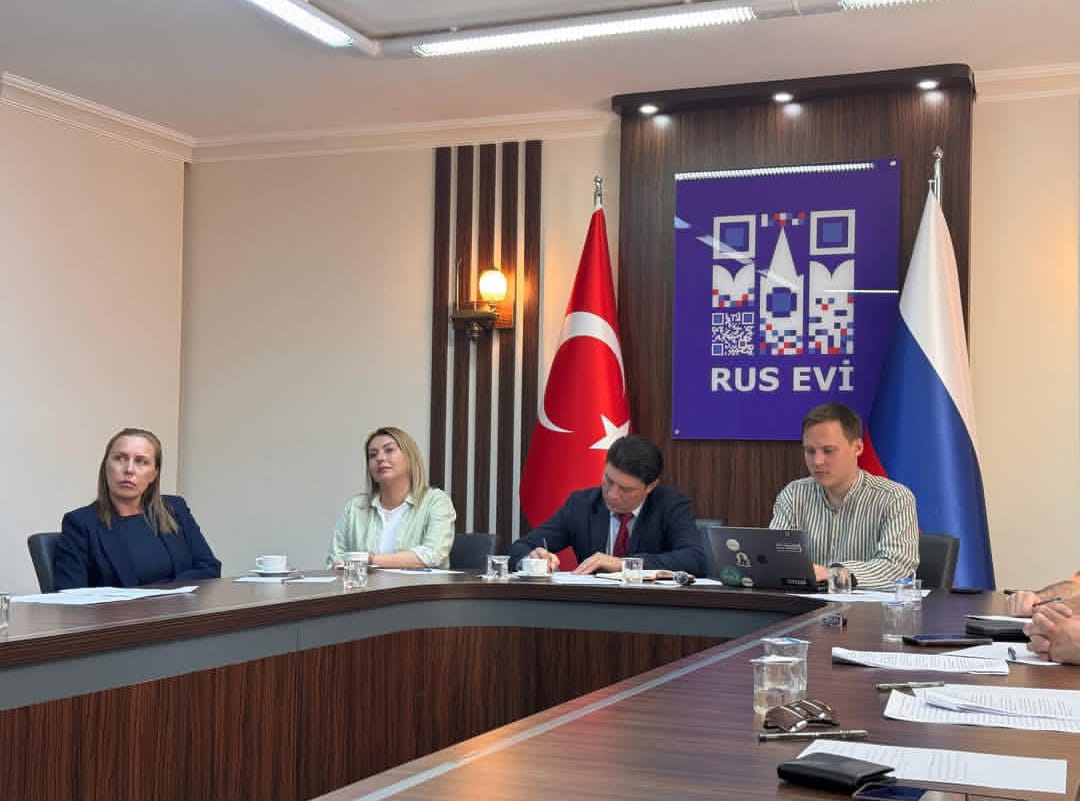
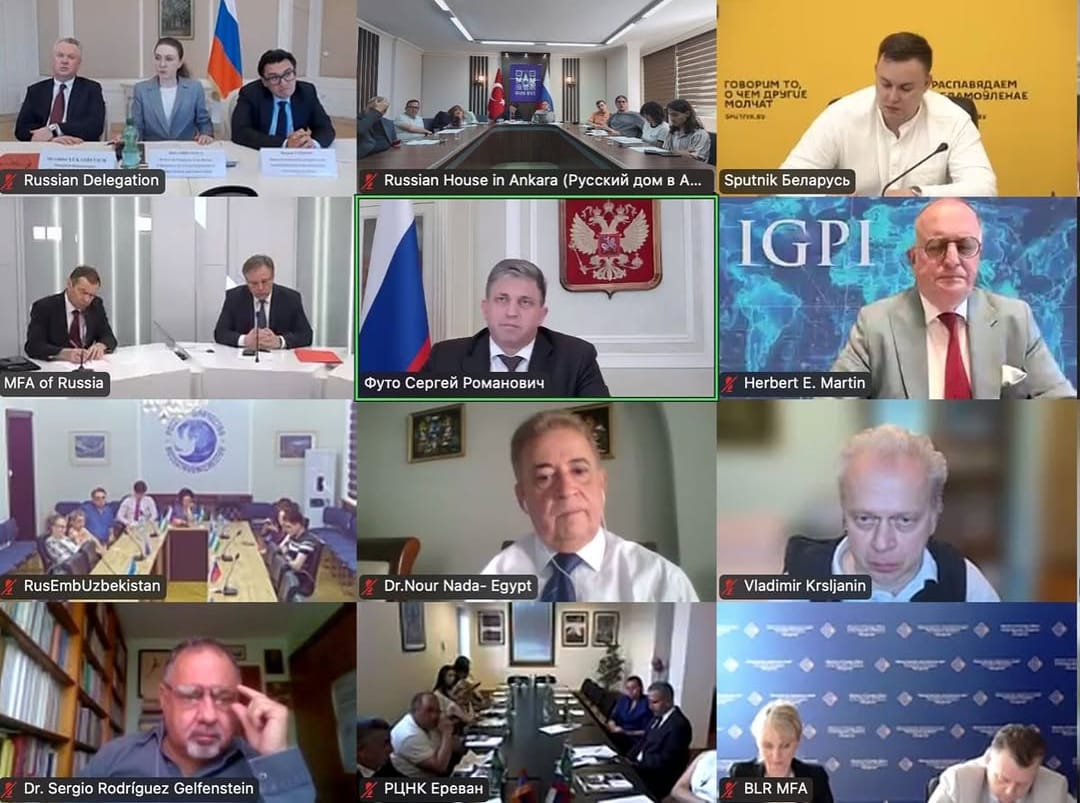
The two-hour teleconference, held via Zoom, will be attended by diplomatic representatives from 20 countries across Europe, Asia, Africa, and Latin America. Representatives from UN, OSCE, BRICS, and CIS member states, international humanitarian organizations, NGOs, the scientific community, media representatives, civil society activists, and citizens will also participate. Simultaneous Russian–English translation services will be provided during the conference.
Key Speakers and Main Topics to be Discussed
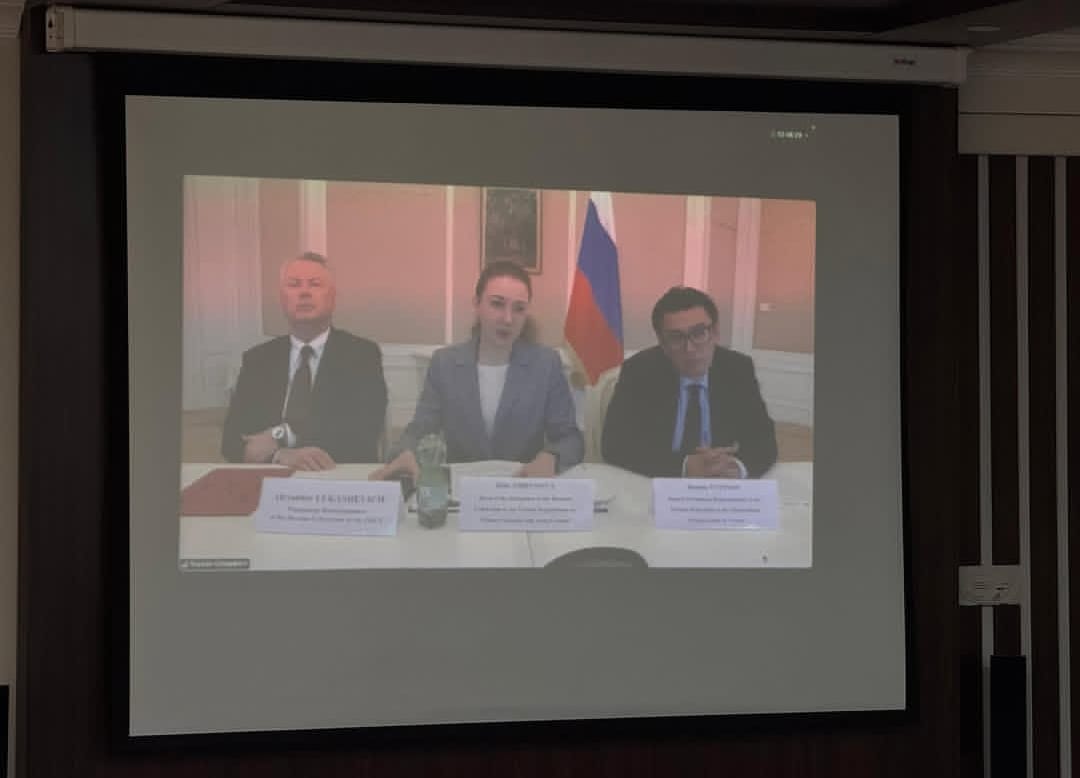
During the conference, experts and witnesses will share important information. Speakers include Ambassador Rodion Miroshnik, Special Representative of the Russian Ministry of Foreign Affairs on Crimes Committed by the Kyiv Regime; Igor Kashin, Head of the Special Projects Department of the Human Rights Commissioner's Office of the Russian Federation; eyewitnesses to crimes in the Kursk region; Olga Kiriy, representative of RT.Doc, a documentary filmmaker documenting the consequences of the occupation in the Kursk region; and military expert Ivan Konovalov.
The teleconference, moderated by Iulia Jdanova, Head of the Russian Delegation to the Vienna Military Security and Arms Control Talks, will address the following main topics:
- Violations of international humanitarian law documented by the Russian Investigative Committee in the Kursk region and measures against those involved in these violations.
- Challenges faced by civilians forcibly taken to Ukraine during the occupation upon their return.
- Types of Western-made weapons and prohibited munitions used against civilians in the Kursk region.
- Reactions of international organizations to the evidence presented by Russia.
This teleconference is expected to bring the civilian dimension of the conflicts in the Kursk region and the alleged violations to an international platform, generating significant public interest.