
Aksa Genel Merkezi Önünde Kitlesel Eylem: Bursagaz İşçilerinden Yetki İtirazı ve İşten Çıkarmalara Tepki
10:18Asgari Ücretlinin Kaybı 6 Bin TL’yi Aştı: İşçi ve Memur Konfederasyonları Ücret Politikalarını Eleştirdi
10:11HAK-İŞ’ten Ankara’da Dev İSG Projesi: "İş Kazalarını Önlemek İçin Zihniyet Değişimi Şart"
10:05Sakarya'da Fındık Toplamaya Gelen 13 Yaşındaki Yusuf Kesen Yaşam Mücadelesini Kaybetti
10:01İBB Saraçhane Önündeki 126 Günlük Direniş Kazanımla Sonuçlandı: Ağaç A.Ş. İşçilerine İşe İade Anlaşması
14:54Türkiye Ekonomisi 2026'nın İkinci Çeyreğinde %2,3 Büyüdü: TÜİK GSYH Verilerini Açıkladı
14:10Batman'da Özel Spor Salonunda Yangın Faciası: 3 Can Kaybı, Adli ve İdari Soruşturma Başlatıldı
14:06TÜİK ve DİSK-AR Temmuz 2026 İşsizlik Verilerini Açıkladı: Geniş Tanımlı İşsiz Sayısı 12,3 Milyona Ulaştı
13:47Girne Açıklarındaki Gemi Faciası Türkiye'yi Yasa Boğdu: Sendikalar ve Konfederasyonlardan Taziye ve İhmal Araştırması Çağrısı
13:34TÜRK-İŞ Ağustos 2026 Verilerini Açıkladı: Açlık Sınırı 37 Bin TL’yi, Yoksulluk Sınırı 121 Bin TL’yi Aştı
The UN General Assembly has unanimously adopted a resolution, initiated by Tajikistan, declaring 2027–2036 as the "International Decade of Peace." The historic resolution aims to bolster preventive diplomacy, global security, and peaceful border dispute resolutions.
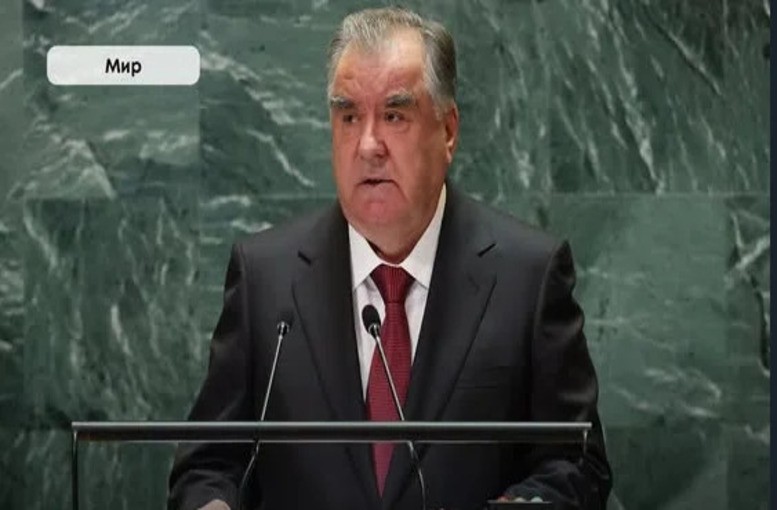
At a time when the international system is being heavily tested by geopolitical tensions, regional conflicts, and strategic polarization, the United Nations (UN) General Assembly has taken a landmark strategic step forward. The General Assembly unanimously adopted the draft resolution titled "International Decade of Peace-building for Future Generations," initiated by the President of the Republic of Tajikistan, Emomali Rahmon. With the official adoption of this resolution, the period spanning 2027 to 2036 has been formally declared the "International Decade of Peace."
This multilateral initiative seeks to prevent armed conflicts before they erupt, construct a sustainable global security architecture, and institutionalize preventive diplomacy channels within modern international relations. By reflecting the collective will of all UN member states, the resolution establishes a solid legal and moral foundation for global peace-building efforts.
Moving beyond traditional, military-centric security approaches, the historic document puts forward a modern vision centered on societal dynamics. The key operational objectives of the resolution include:
Inclusive Political Processes: Ensuring that the rights, voices, and interests of children, youth, and the elderly are actively integrated and prioritized in political decision-making processes.
Social Cohesion and Post-Conflict Rehabilitation: Supporting economic recovery, institutional reconstruction, and lasting social cohesion in post-conflict zones.
Commitment to International Treaties: The text strongly reaffirms adherence to the principles of the UN Charter, the Declaration on a Culture of Peace, and the landmark Pact for the Future adopted in 2024, reminding member states of their global commitments.
In the explanatory notes of the resolution, recent diplomatic breakthroughs in Central Asia were highlighted as exemplary models for the international community. The UN General Assembly welcomed and highly commended the constructive efforts of the governments of Tajikistan, Kyrgyzstan, and Uzbekistan in resolving long-standing border disputes through peaceful, diplomatic means. The successful strides made by these three nations to clarify their borders through dialogue were cited as a concrete, regional manifestation of the spirit of the "Decade of Peace."
Under the adopted resolution, this ten-year designation will be far more than just a symbolic declaration. Under the leadership of the UN Secretary-General, relevant UN agencies, regional security organizations, and accredited non-governmental organizations (NGOs) have been tasked with cooperating closely with member states to implement the practical action plans of the "Decade of Peace."
Member states are expected to develop educational, diplomatic, and security strategies to foster a culture of peace within their domestic policies while coordinating with UN mechanisms to strengthen regional stability. International relations experts note that this resolution could inject new funding and organizational momentum into mediation and arbitration efforts, particularly in volatile conflict zones.
Source: BHA


BİR CEVAP YAZ
E-posta hesabınız yayımlanmayacak. Gerekli alanlar * ile işaretlenmişlerdir