
Samsun Atakum’da 5 Aylık Maaş Krizinde İşçiler Sahada: Belediye Binası Önünde Direniş Başlatıldı
14:22Birleşik Metal-İş ve EPTA İstanbul Arasında Toplu İş Sözleşmesi İmzalandı
14:19Düzce Akçakoca’da Fındık İşçilerini Taşıyan Tarım Aracı İle Tır Çarpıştı: 4 Ölü, 9 Yaralı
14:08Memur-Sen’den Yeni OVP Sonrası Sert Tepki: "Eski Hesapların Haksızlığı Açıkça Ortaya Çıktı"
14:04Kardeşlik ve Dayanışma Sahada: 5 Ülkenin Sendikaları Türk Dünyası Kupası'nda Mücadele Etti
14:00Okullarda Şiddet ve Akran Zorbalığı Raporu 2026 | Türk Eğitim-Sen
10:48Yozgat’ta Madencilerden Maaş Eylemi: 4 Aydır Ücret Alamayan İşçiler İş Bıraktı
10:44Balıkesir İvrindi’deki Altın Madeninde İş Kazası: 2 İşçi Hayatını Kaybetti
10:39Birleşik Kamu-İş'ten Özelleştirme Açıklaması: "Kamu Yararı ve Gelir Kaybı Açısından Karar Yeniden Değerlendirilmeli"
10:34Yeni Orta Vadeli Program (OVP) Açıklandı: Büyüme Tahminleri Düştü, Enflasyon Beklentisi Yükseldi
Ümit Özdağ's book "Vatan Yahut Silivri" examines judicial processes, patriotism, and critical periods in Turkey's recent political history. The work sheds light on the Ergenekon-Balyoz cases and national security debates from Özdağ's perspective.
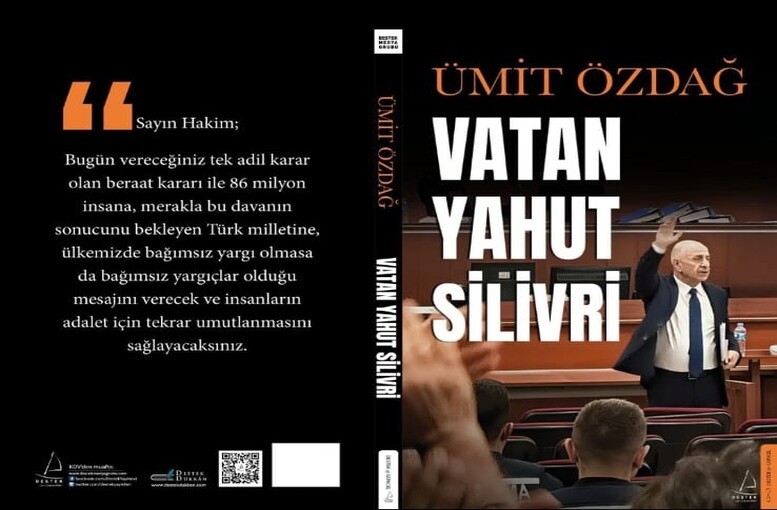
Ankara – "Vatan Yahut Silivri" (Homeland or Silivri), a book penned by Ümit Özdağ, a prominent figure in Turkish politics and academia, continues to resonate widely since its publication. The book draws its title from historical references associated with patriotism and legal processes, shedding light on sensitive periods in Turkey's recent political history.
The book's title refers to the famous Ottoman intellectual Namık Kemal's work "Vatan Yahut Silistre" (Homeland or Silistra), invoking the concept of "homeland," while "Silivri" points to the prison in Turkey particularly associated with high-profile judicial processes such as the Ergenekon and Balyoz cases. This choice is considered a strong indication that Özdağ's work focuses on issues like homeland defense, national interests, and judicial independence.
Key Themes of the Book and Özdağ's Perspective
Ümit Özdağ's academic background and political stance illuminate the topics thoroughly explored in "Vatan Yahut Silivri." The main themes of the book are thought to include:
Patriotism and Nationalism: Themes of love for the homeland and nation, which form the core of Özdağ's political identity, are extensively covered in the book. It offers a perspective that redefines patriotism through the lens of internal and external threat perceptions against Turkey's national security and survival.
Judicial Processes and the Search for Justice: With the "Silivri" reference, the book delves into cases like Ergenekon and Balyoz, which involved hundreds of people in the late 2000s. It is speculated that the book adopts a critical perspective on alleged legal irregularities, the right to a fair trial, and the politicization of the judiciary during these processes.
State Security and Bureaucratic Tutelage Debates: The book may also analyze complex dynamics within Turkey's state structure, such as the security bureaucracy, "deep state" discussions, and politician-bureaucrat relations. Özdağ's critical analyses on these issues contribute to efforts to understand Turkey's recent political transformation.
Turkey's Struggle for Democracy and the Republic: The work focuses on perceived threats to the founding philosophy of the Republic of Turkey and its democratic values, drawing attention to the political and social tensions within the country.
Impact on Societal and Political Debates
A book with a title like "Vatan Yahut Silivri" and authored by a controversial figure like Ümit Özdağ naturally generated significant resonance in Turkey's political and intellectual circles. The book sparked diverse perspectives on specific political events and judicial processes, leading to heated public debates. While it was received with interest, particularly by nationalist segments, it also drew criticism from different ideological groups.
For readers seeking to understand Turkey's recent past and analyze current political dynamics, "Vatan Yahut Silivri" remains an important reference. The book holds value both for reflecting the spirit of an era and for interpreting events from the author's own perspective.


BİR CEVAP YAZ
E-posta hesabınız yayımlanmayacak. Gerekli alanlar * ile işaretlenmişlerdir